Is it only for new buildings?
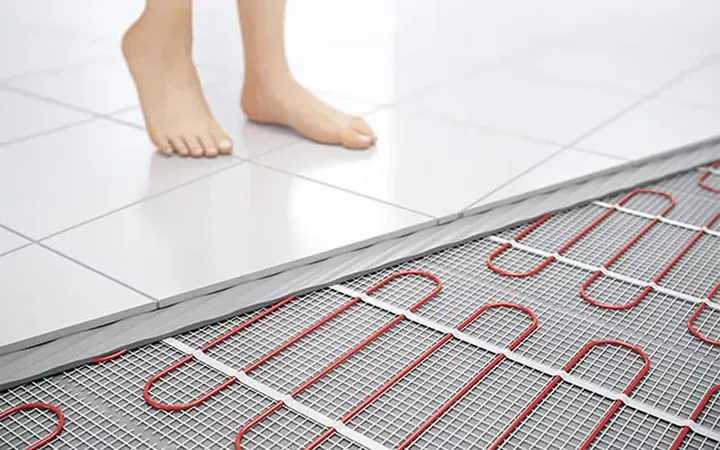
No, but it is planned around new tiling. Under-tile heating cable is laid in the sand-cement screed beneath new tiles, so it suits new builds, extensions and renovations where a floor is being re-tiled.
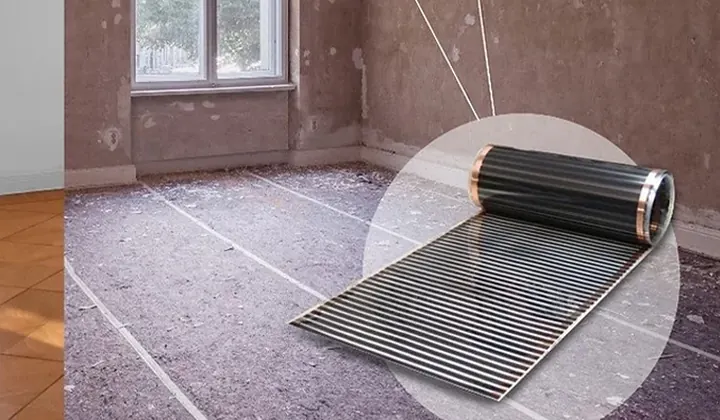
Where the floor height must stay low, ultra-thin floor cable may suit instead. Ron confirms which suits your floor.
Is installation complicated?
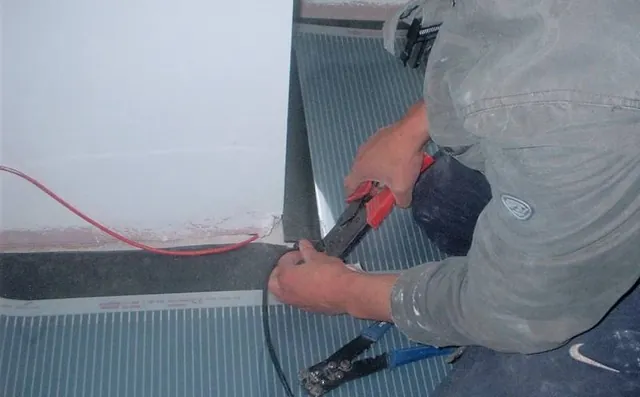
It needs planning and coordination rather than complexity. The cable layout is specified for each area, the cable is laid as part of the floor build-up, and a licensed electrician connects the system. The main thing is timing: the heating has to fit between the subfloor preparation and the tiling.
Does it need much upkeep?
The heating element sits within the floor and has no moving parts. If the floor or the heating ever needs attention, that is work for a licensed electrician, with CBS's technical guidance.
Which floor finishes suit it?
Under-tile cable is designed for tiled floors, including tile and stone. Other finishes are considered only where Ron confirms they suit. For timber, laminate or carpet, carbon film is usually considered instead.
Is it expensive to run?
Running costs depend on the heated area, the specified output, insulation, your tariff and how the system is controlled. Because these vary so much, CBS does not quote a typical figure. The quote sets out the specified output for each area.
How a project is planned
- Assessment. Tell Ron about the rooms, the floor build-up and your timing.
- Specification. Cable selection, layout and controls are specified for each area.
- Coordination. The cable is laid as part of the floor build-up, before the tiles go down.
- Connection. A licensed electrician connects the system, with Ron's technical guidance.
This is a planning outline, not installation instructions. Electric under-tile heating needs no plumbing.